Archives
- 2026-10
- 2026-09
- 2026-08
- 2026-07
- 2026-06
- 2026-05
- 2026-04
- 2026-03
- 2026-02
- 2026-01
- 2025-12
- 2025-11
- 2025-10
- 2025-09
- 2025-03
- 2025-02
- 2025-01
- 2024-12
- 2024-11
- 2024-10
- 2024-09
- 2024-08
- 2024-07
- 2024-06
- 2024-05
- 2024-04
- 2024-03
- 2024-02
- 2024-01
- 2023-12
- 2023-11
- 2023-10
- 2023-09
- 2023-08
- 2023-07
- 2023-06
- 2023-05
- 2023-04
- 2023-03
- 2023-02
- 2023-01
- 2022-12
- 2022-11
- 2022-10
- 2022-09
- 2022-08
- 2022-07
- 2022-06
- 2022-05
- 2022-04
- 2022-03
- 2022-02
- 2022-01
-
br Experimental procedures br Results
2024-02-02
Experimental procedures Results Discussion Major depressive disorder is among the leading causes of disability worldwide (Vos et al., 2015). One of the major causal or exacerbating factors of depression is long term stress or psychological trauma (Liu and Alloy, 2010). Dysregulation of the
-
We provide here direct evidences
2024-02-01
We provide here direct evidences that AT1 receptors are active in ADSCs since Ang II induces intracellular Ca mobilization in these cells. Data obtained during the observation of Ca influxes led us to the search for the ADSCs subpopulation constantly expressing AT1 receptor. ADSCs are necessary for
-
br Introduction Quenchbody Q body immunoassay
2024-02-01
Introduction Quenchbody (Q-body) immunoassay is a novel biosensing technology that uses the quenching of fluorescence by intrinsic tryptophan (Trp) residues in antibody variable regions when dye(s) are conjugated to an antibody or antibody fragments in appropriate position, and de-quenching while
-
APP is a member of a conserved
2024-02-01
APP is a member of a conserved protein family that also includes amyloid precursor-like proteins 1 and 2 (APLP1, APLP2).8, 9, 10 The proteins in this family are type I single-pass transmembrane voltage gated sodium channel with receptor-like structural features but not entirely clear cellular functi
-
myd88 signaling At the top of the S subsite cylinder are
2024-02-01
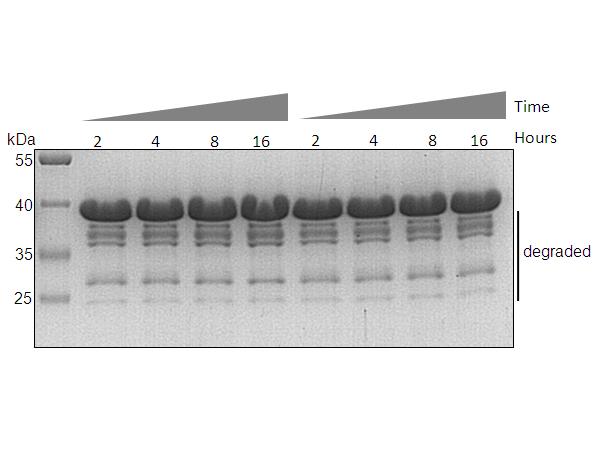
At the top of the S1 subsite cylinder are two “cap” residues: E572 and M1034 [13]. Atomic structures of PfA-M1 have revealed important clues into potential roles for the cap residues in substrate selection. In the PfA-M1:bestatin co-crystal structure ([13]; Fig. 1), the P1 phenyl ring occupies the S
-
br Polymorphic variation ERAP is
2024-02-01
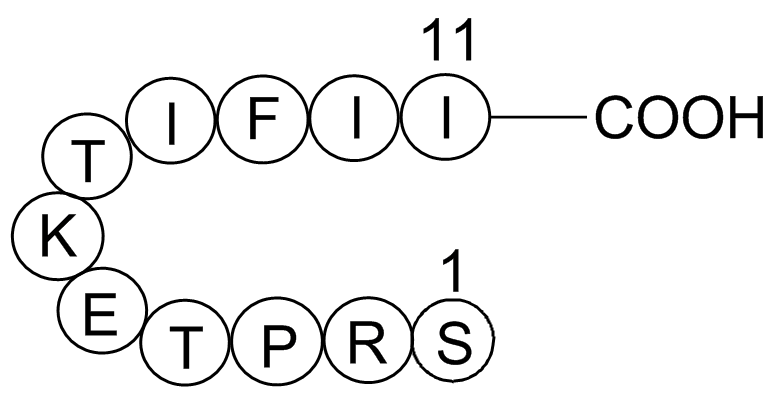
Polymorphic variation ERAP1 is polymorphic and several single nucleotide polymorphisms (SNPs) in its gene that encode amino Pyridostatin synthesis changes have been associated with predisposition to a variety of diseases, ranging from viral infections to cancer and autoimmunity (Alvarez-Navarro
-
br Discussion The patient presented initially only
2024-02-01
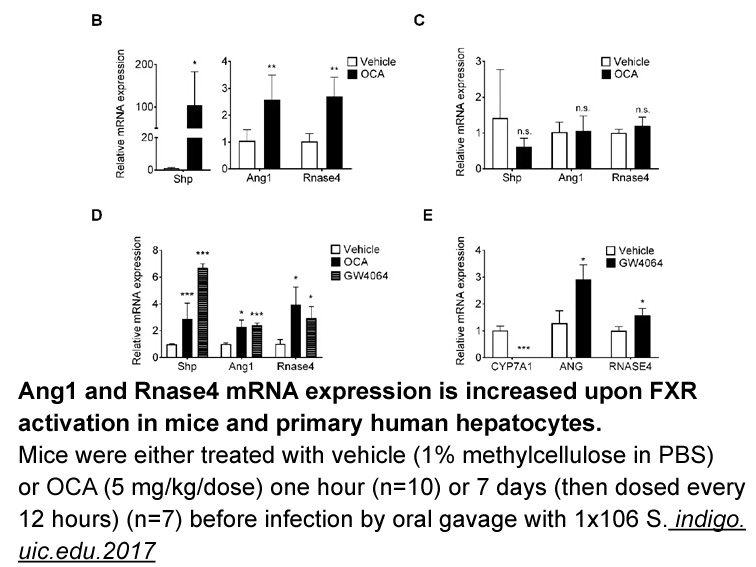
Discussion The patient presented initially only with parietal symptoms in the form of acalculia, visuo-spatial deficits, and visuo-perceptual deficits and dressing apraxia. He also had simultognosia as early symptoms. Later when the disease progressed he had recent memory deficits and language in
-
The specific binding domain between PGK
2024-02-01
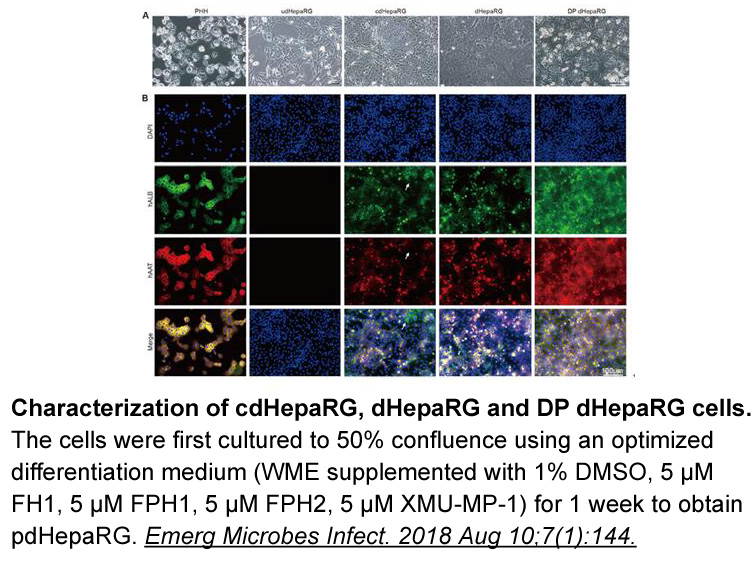
The specific binding domain between PGK in group B strepotocci (GBS) and actin had been reported . PGK as the actin-binding protein identified in TMW 1.1434, which displayed highly significant adhesion was investigated for the binding sites and compared to bacteria with less strong adhesion to acti
-
Tacrine an aminoacridine derivative Fig
2024-02-01
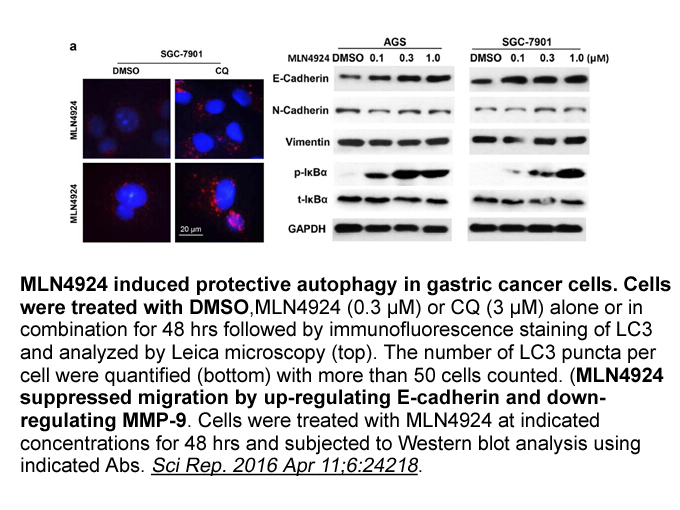
Tacrine, an aminoacridine derivative (Fig. 1, A), was the first AChE inhibitor approved for treatment of AD [12], [13]. This compound was withdrawn from the market due to its hepatotoxicity [14]. In spite of tacrine's side effects, it is still an attractive lead compound for medicinal chemists due t
-
br STAR Methods br Author Contributions br Acknowledgments W
2024-02-01
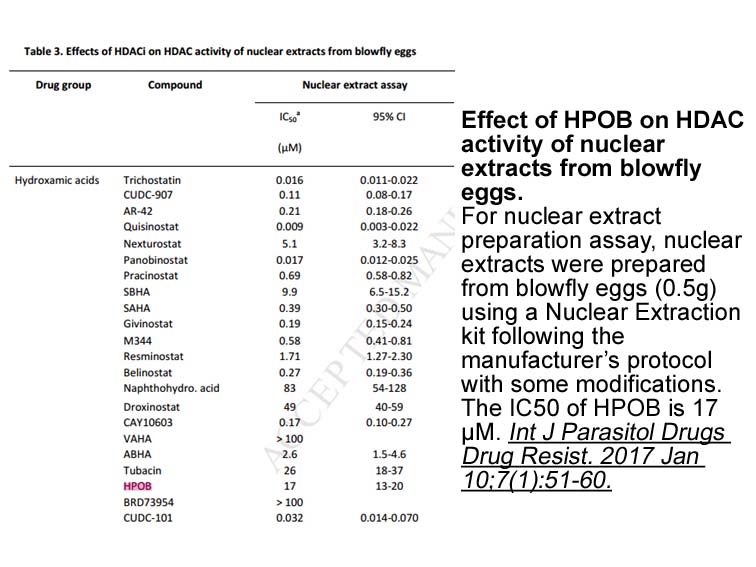
STAR★Methods Author Contributions Acknowledgments We thank Antony M. Dean for initial discussions and encouragement concerning ancestral sequence reconstruction. We also thank Natalie K. Goto for constructive criticism concerning the manuscript, Steven M. Sine for providing INDY receptor s
-
Cy3 TSA Fluorescence System Kit br lipoxygenase pathway in b
2024-02-01
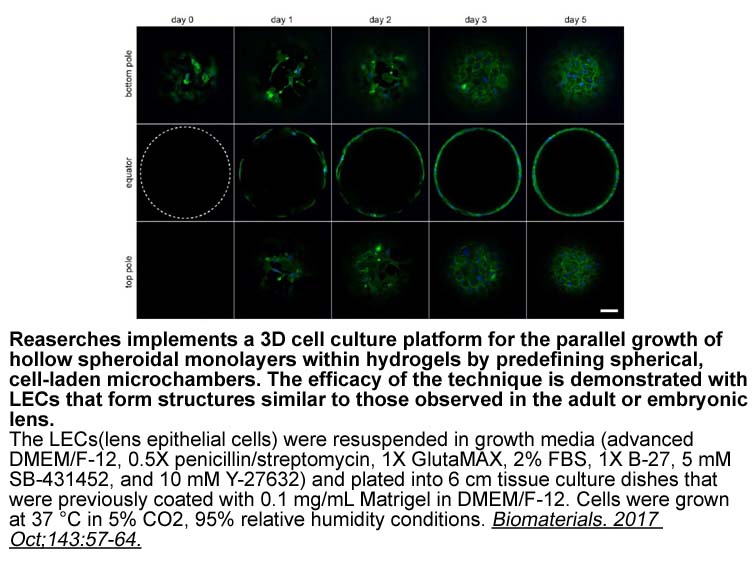
5-lipoxygenase pathway in Cy3 TSA Fluorescence System Kit aging and alzheimer’s disease 5LO is found throughout the central nervous system, in both neuron and glia cells (Farias et al., 2007). However, its expression levels are highest in the cortex and hippocampus areas, two regions that are pa
-
We found that several anticancer drugs inhibit HT receptor c
2024-02-01
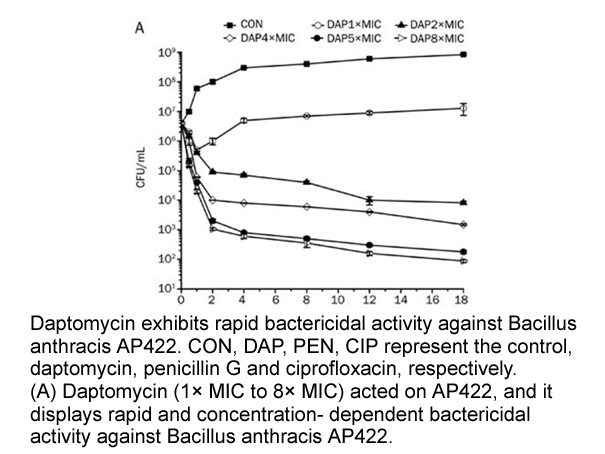
We found that several anticancer drugs inhibit 5-HT3 Cy5 RNA current in vitro. Several studies have suggested that 5-HT3 receptor antagonists have anti-mitogenic and apoptotic effects on colorectal and breast cancer cell lines (Ataee et al., 2010, Hejazi et al., 2015). Irinotecan is used frequently
-
MnTBAP Chloride br Materials and methods br Results br Discu
2024-02-01
Materials and methods Results Discussion The success of CAR-T cell therapy is based on two major facts: one is that cancer cells express tumor-associated antigens (TAAs) on their surface that can be detected by the human immune system; the other is that the CAR molecules target these TAAs o
-
NOXA a member of the pro apoptotic B
2024-02-01
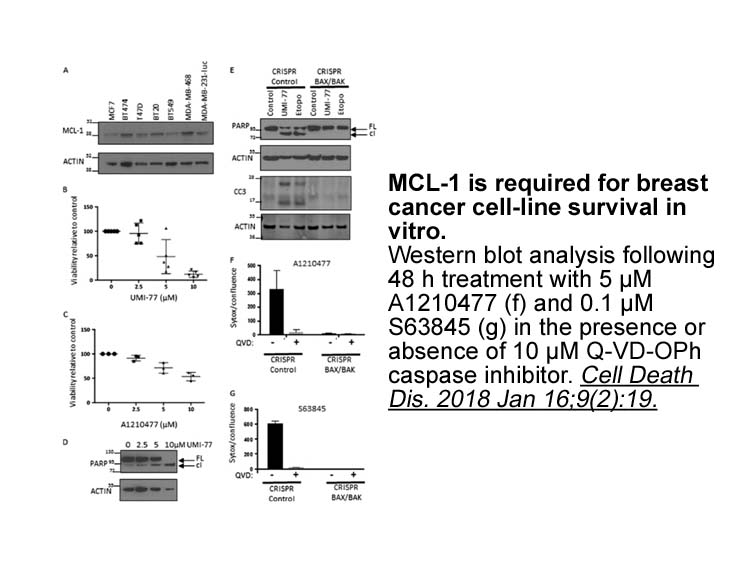
NOXA, a member of the pro-apoptotic B-cell lymphoma 2 (BCL-2) family, plays a vital role in regulating mitochondrial or inherent apoptotic pathways [7,8]. NOXA binds to MCL-1 with high affinity and interacts with A1 (known as BCL2A1), resulting in BIM release to trigger subsequent apoptosis [9]. In
-
br Aurora kinases br Wnt signaling pathway The
2024-02-01
Aurora kinases Wnt signaling pathway The signal transduction pathway of Wnt/β-catenin signaling pathway plays an important role in embryogenesis to control cell differentiation and tumorigenesis [39]. A recent report indicates that 90% of colorectal cancer occur due to the activation of the Wn
8541 records 237/570 page Previous Next First page 上5页 236237238239240 下5页 Last page