Archives
- 2026-10
- 2026-09
- 2026-08
- 2026-07
- 2026-06
- 2026-05
- 2026-04
- 2026-03
- 2026-02
- 2026-01
- 2025-12
- 2025-11
- 2025-10
- 2025-09
- 2025-03
- 2025-02
- 2025-01
- 2024-12
- 2024-11
- 2024-10
- 2024-09
- 2024-08
- 2024-07
- 2024-06
- 2024-05
- 2024-04
- 2024-03
- 2024-02
- 2024-01
- 2023-12
- 2023-11
- 2023-10
- 2023-09
- 2023-08
- 2023-07
- 2023-06
- 2023-05
- 2023-04
- 2023-03
- 2023-02
- 2023-01
- 2022-12
- 2022-11
- 2022-10
- 2022-09
- 2022-08
- 2022-07
- 2022-06
- 2022-05
- 2022-04
- 2022-03
- 2022-02
- 2022-01
-
What are the in situ effects of multi site CaM
2024-09-25
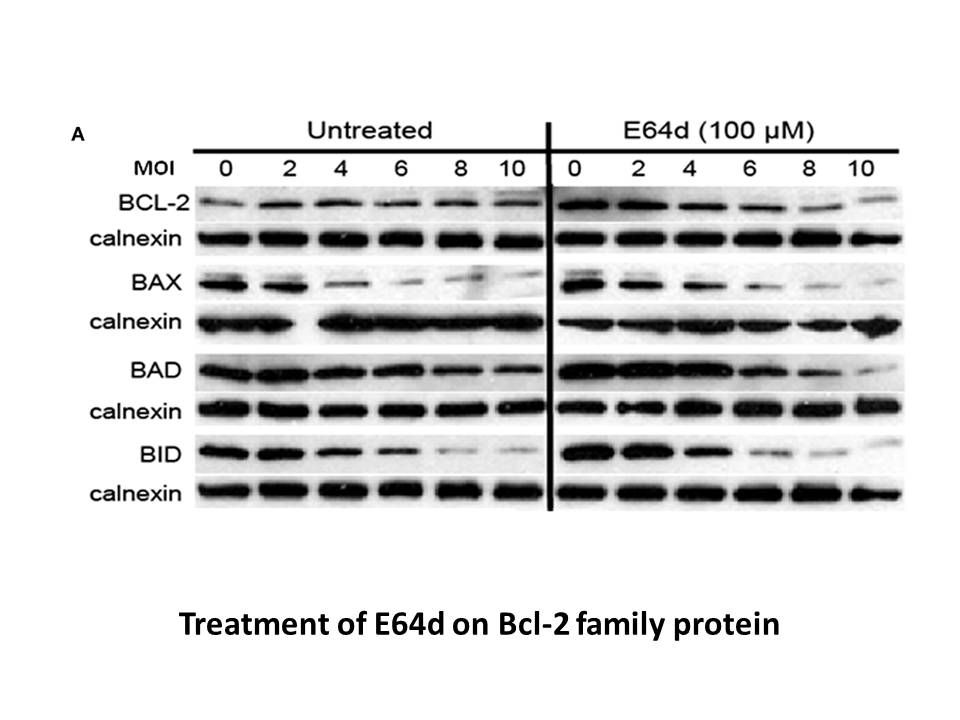
What are the in-situ effects of multi-site CaM associations with AT1R? Kai et al. showed that synthetic peptides corresponding to residues 125–137 (rat sequence) in SMD2, 217–227 in the N-terminal side of SMD3, and 304–316 in SMD4JM inhibit to various degrees AngII-induced GTPase activity of isolate
-
br Duality of interest br Contribution statement br Acknowle
2024-09-25
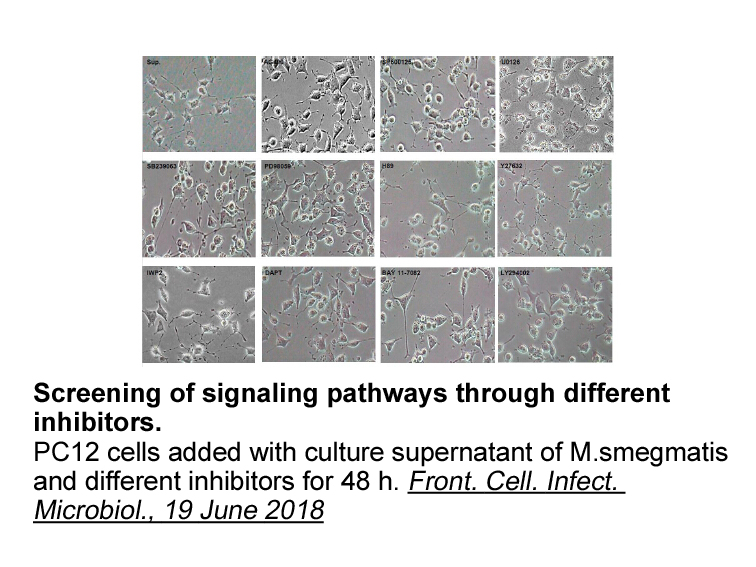
Duality of interest Contribution statement Acknowledgments Introduction Rapid, cell surface-initiated steroid actions have been reported for all major groups of steroid hormones and our understanding of membrane-mediated steroid actions has progressed rapidly over the last two decades. M
-
g-quadruplex How do increased levels of ammonia as
2024-09-25
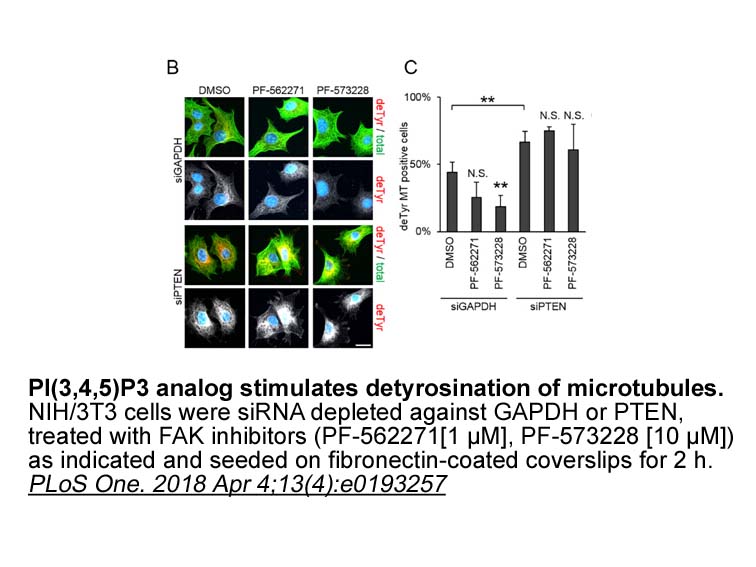
How do increased levels of ammonia as observed in clinical HE constrain synaptic plasticity? Numerous studies have investigated the modulation of signal transduction pathways activated in LTP or LTD irrespective of being necessary or sufficient for changes in synaptic efficacy (Wen et al., 2013). Ye
-
phosphocreatine synthesis br The lipoxygenase pathway in vas
2024-09-25
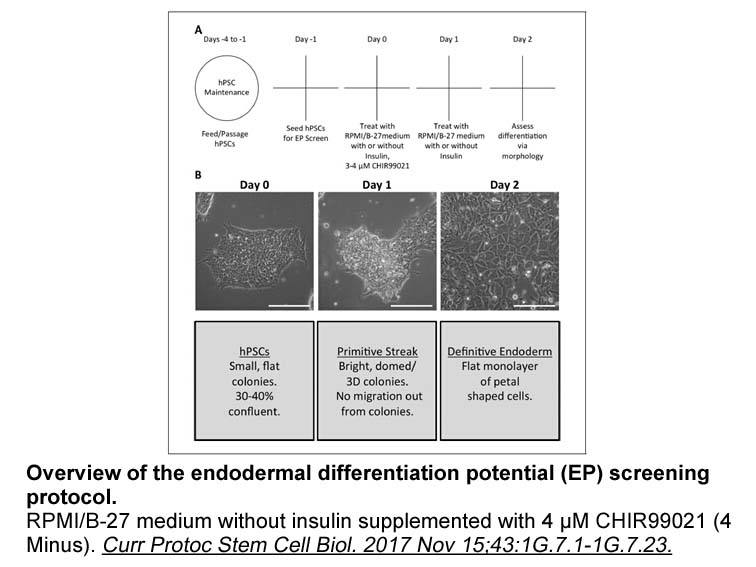
The 12/15-lipoxygenase pathway in vascular physiology and pathology The mammalian 12- and 15-LOXs have high substrate specificity oxidizing predominantly ω−6 (arachidonic and linoleic acids) but also the ω−3 (docosahexanoic) phosphocreatine synthesis [86], [87], [88]. Different LOXs oxidize fatty
-
Activation of AhR is also known to
2024-09-25
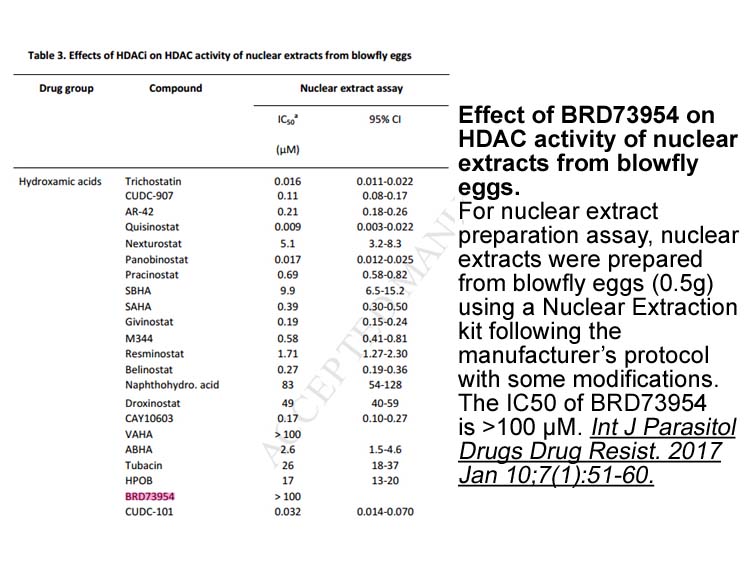
Activation of AhR is also known to upregulate the expression of AhRR (AhR repressor), an inhibitor protein of AhR [29]. However, the exact mechanism by which AhRR represses AhR signaling is not well understood. The initial study by Mimura and colleagues suggested that AhRR is capable of directly com
-
zcl Vortioxetine is a multimodal antidepressant that acts
2024-09-25
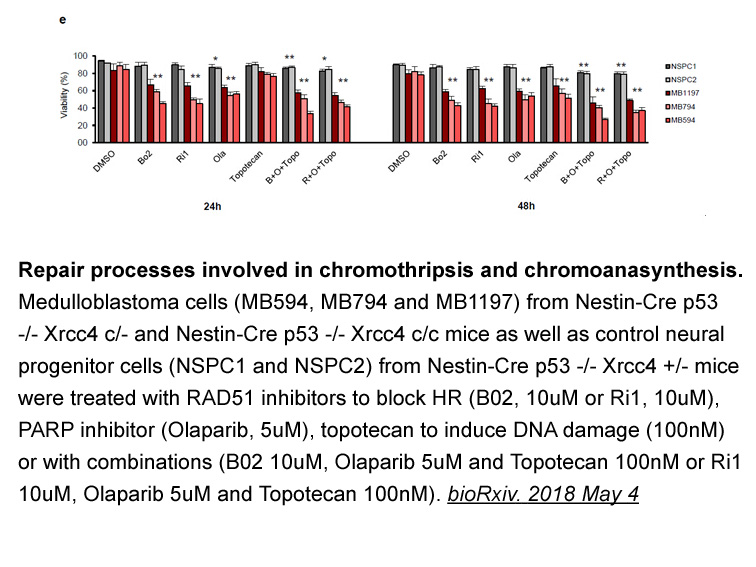
Vortioxetine is a multimodal antidepressant that acts as an inhibitor at the serotonin (5-HT) transporter (SERT), an agonist at 5-HT1A receptors, a partial agonist at 5-HT1B receptors, and an antagonist at 5-HT1D, 5-HT3 and 5-HT7 receptors (Bang-Andersen et al., 2011, Sanchez et al., 2015). Based on
-
AZD-5438 Previous studies suggest that TGF contributes
2024-09-25
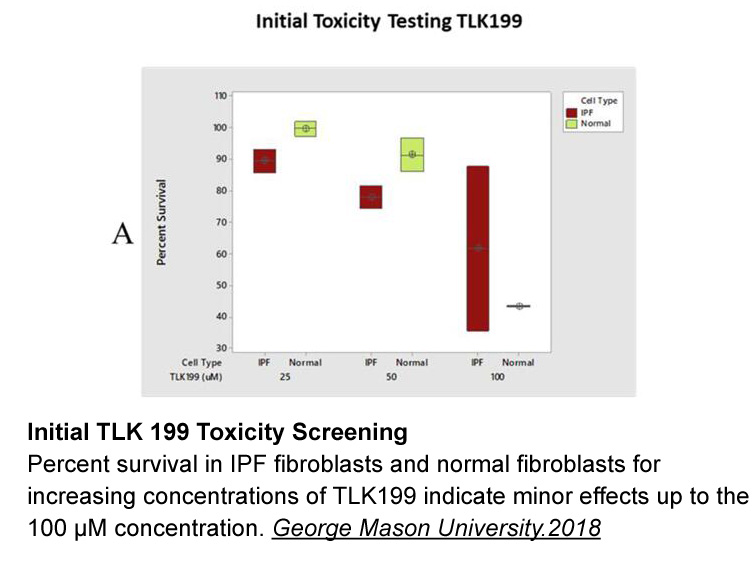
Previous studies suggest that TGF-β contributes to the pathogenesis of diabetic renal injury [47]. TGF-β stimulates matrix production and prevents matrix degradation, which leads to increase collagen deposition and glomerulosclerosis [48]. In the current study ABT702 significantly reduced renal coll
-
Changes in actin microfilaments are mediated by changes in e
2024-09-25
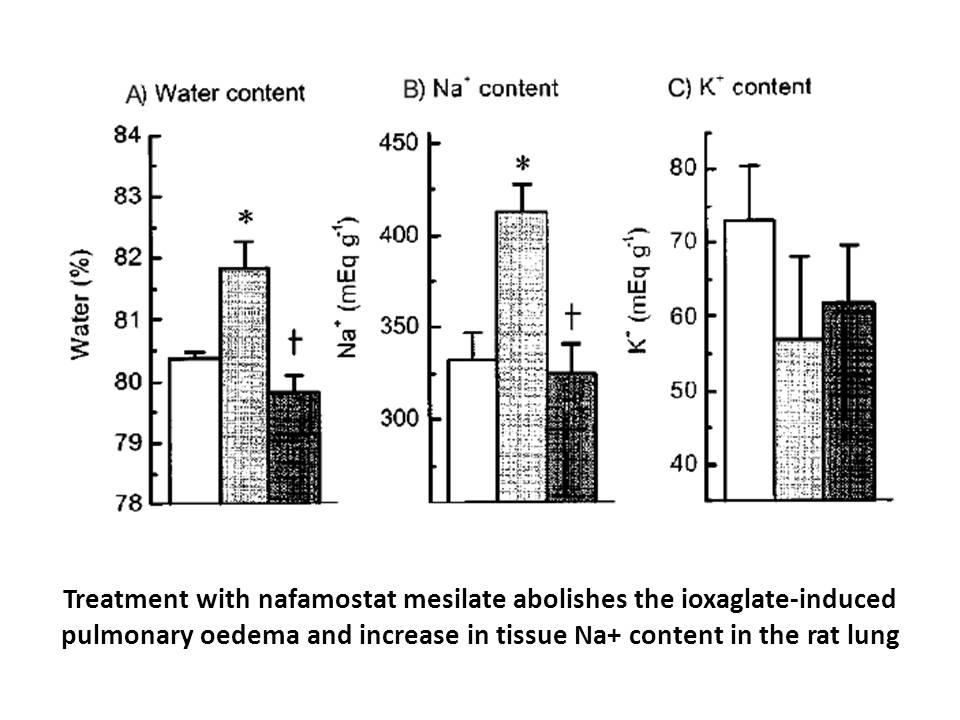
Changes in Betamethasone Dipropionate synthesis microfilaments are mediated by changes in extracellular matrix, mechanical stimulation or growth factors intracellular signaling. We observed significant changes in a number of intracellular signaling pathways associated with changes in actin dynamics
-
Based on our previous work and
2024-09-25
Based on our previous work [13] and the observation that SNX9 is a partner for ACK, we have investigated interactions involving the SH3 domain of SNX9, and identified for the first time synaptojanin-1 as an alternate partner. This SH3 domain can bind a single site in ACK1, but multiple sites in the
-
We have previously reported alterations of the thymus
2024-09-25
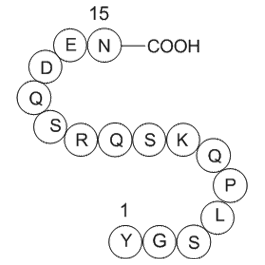
We have previously reported alterations of the thymus in AChR-MG patients, especially in their germinal center Nilvadipine australia (defined as CD19+CD38+ cells by flow cytometric analysis). First, we found that, in MG thymi, this subset failed to show the normal down-regulation of Bcl-2, suggesti
-
Although our data show that agrin
2024-09-25
Although our data show that agrin accelerates the innervation of engineered muscle tissue following implantation, there are still several issues that need to be considered. First, the use of primary muscle stem or progenitor hydrochloride australia (satellite cells) instead of an immortalized muscle
-
The rapidity of this specific immunosuppressive therapy sugg
2024-09-25

The rapidity of this specific immunosuppressive therapy suggests that it inhibits or apoptoses plasma cells. Most serum autoantibodies to AChR are produced by long-lived plasma cells residing in spleen and bone marrow. These terminally differentiated cells are resistant to most non-specific immunosu
-
Introduction Microdialysis is an in vivo
2024-09-24
Introduction Microdialysis is an in vivo-technique which allows continuous sampling of small molecular weight substances (such as neurotransmitters, metabolites and neuropeptides) from the extracellular space of different tissues or organs, e.g. brain, muscle or skin. While the implantation of the
-
br Physiology of the apelin pathway br
2024-09-24
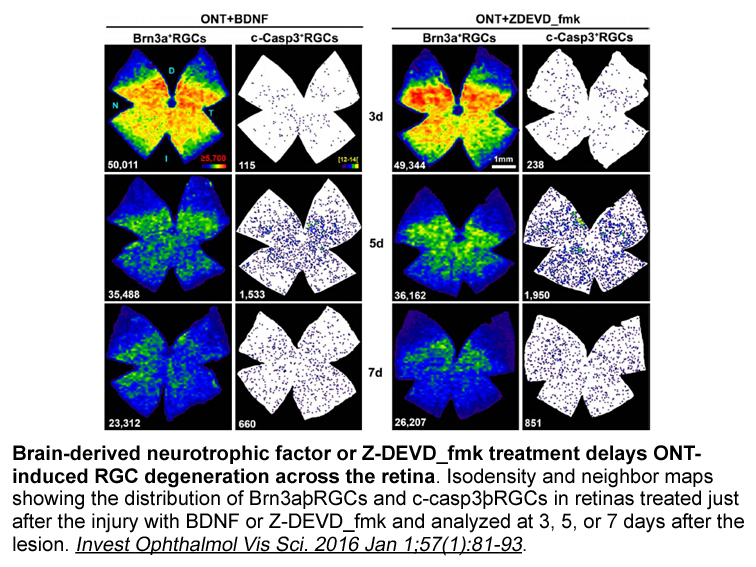
Physiology of the apelin pathway Role of apelin in heart disease Both apelin and apelin receptor null mice manifested moderate reduction in cardiac contractile function under basal conditions and their exercise capacity was markedly reduced (Table 1) [56]. Apelin has direct effects on the prop
-
Unfortunately results of serum plasma AC
2024-09-24
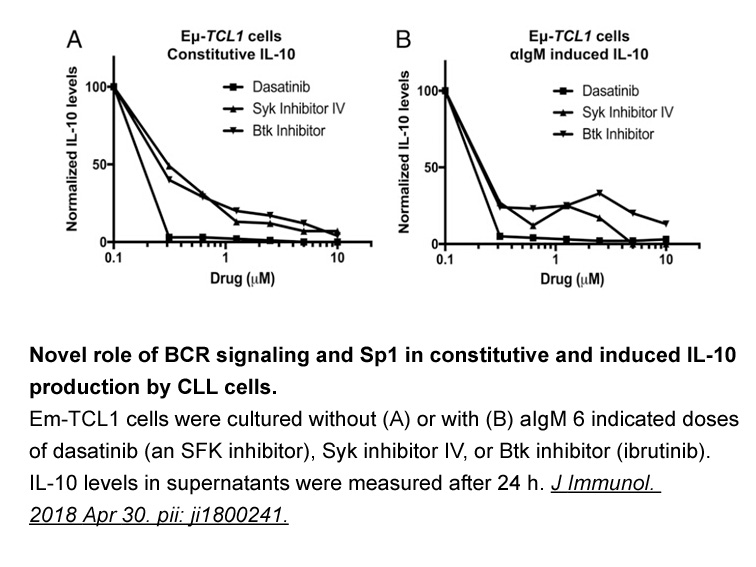
Unfortunately, results of serum/plasma AC assessment after food antioxidant intake are rather controversial: although some papers reported an increase of AC after food antioxidant intake (Khan et al., 2015, Torabian et al., 2009), unexpectedly, in a lot of long-term intervention studies (days, weeks
8539 records 113/570 page Previous Next First page 上5页 111112113114115 下5页 Last page